3-Day Tokyo Round-Trip Itinerary
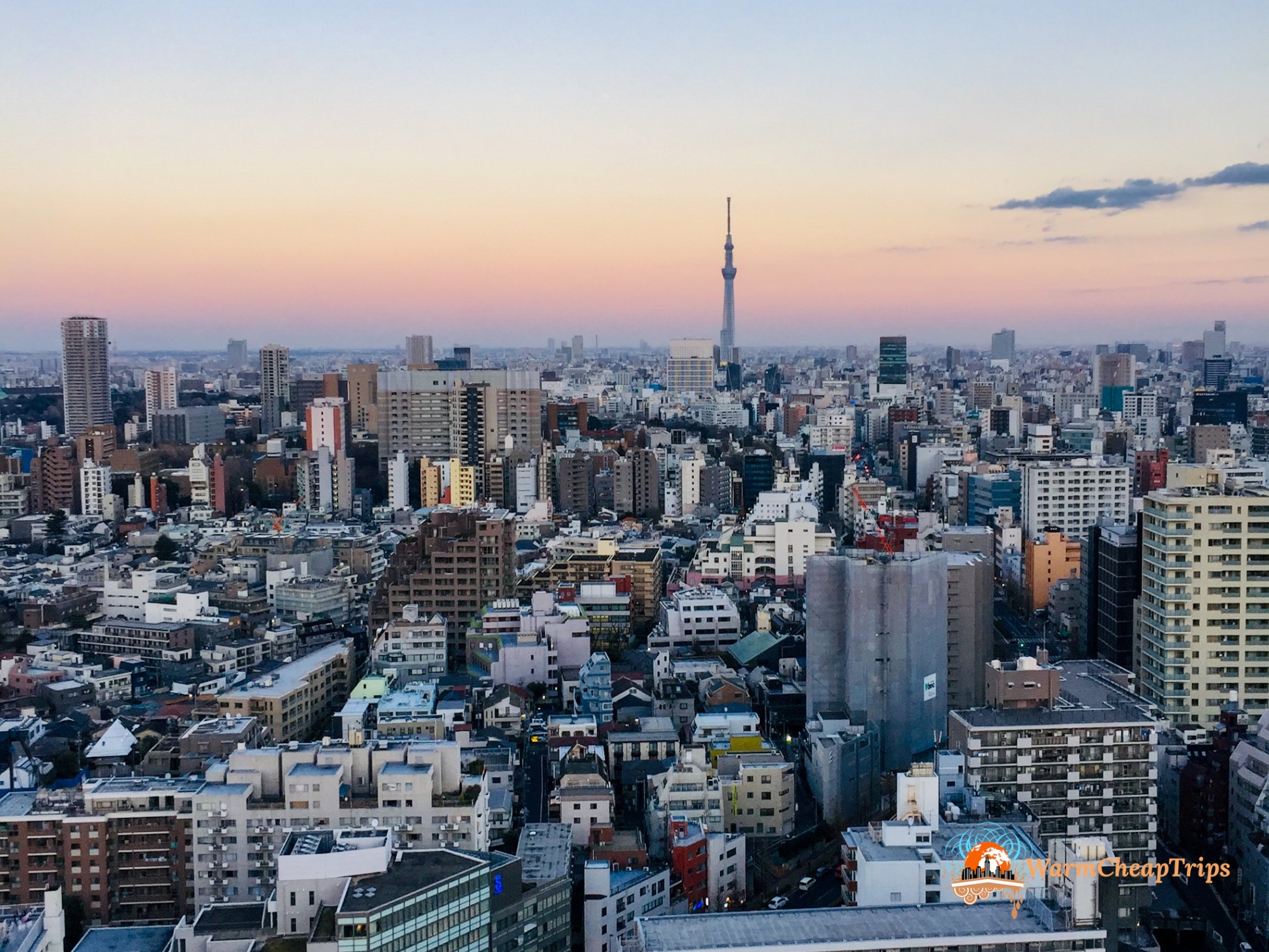
Overview
This plan is designed around Tokyo’s subway network, making it easy to reach major food and cultural districts without renting a car. The core experience is modern Tokyo—sushi, ramen, izakaya, street food, tempura, and local markets—combined with a little history, shopping, and nightlife. I’ve included one optional day trip to Hakone, but the city itinerary is strong enough to follow even if you prefer to stay in Tokyo.
Budget Snapshot
| Item | Estimated Cost |
|---|---|
| Chicago–Tokyo round-trip flight | $800–$1,300 |
| 2 nights’ mid-range hotel | $400–$600 |
| Food and dining | $250–$400 |
| Tokyo subway and local transit | $60–$80 |
| Attractions, tours, and activities | $150–$300 |
| Meals, drinks, shopping, and incidentals | $200–$400 |
| Total | $2,100–$3,500 |
This is comfortably within your $3,000–$5,000 range. The biggest variable is the flight: book at least three to four months ahead and consider flying via a U.S. hub rather than searching only for direct routes. Tokyo’s international airports are Haneda and Narita; Haneda is much more convenient for a short trip, while Narita is usually cheaper. expedia+1
Day 1 — Ginza, Tsukiji, and the Imperial Palace
Theme: First impressions, premium food, and central Tokyo.
- Morning: Arrive at Haneda or Narita and transfer to your hotel. Haneda is especially convenient because it connects directly with Tokyo’s subway and Shinkansen network. Check into a hotel in Ginza, Marunouchi, Tokyo Station, or a nearby Shinbashi–Nihombashi area.
- Lunch: Walk from Ginza toward Tsukiji. For a relaxed start, eat sushi at a conveyor-belt restaurant or choose a sushi-restaurant chain near Tokyo Station. Tsukiji Outer Market is better for snacks and seafood bars than for a formal sit-down lunch.
- Afternoon: Explore Tsukiji Outer Market. Eat fresh uni, tamagoyaki, edamame, or grilled seafood skewers from a counter. Then walk along the Sumida River toward Asakusa.
- Late afternoon: Visit the Imperial Palace East Garden. It is quieter than many tourist temples and offers a peaceful contrast to Tokyo’s energy. The garden is open Tuesday, Wednesday, Friday, Saturday, Sunday, and holidays; Monday is usually closed. tripadvisor
- Dinner: Return to Ginza for a more refined meal. Options include tempura, wagyu beef, soba, or kaiseki-style dining. If you prefer something casual, choose a department-store food hall or a restaurant in the Ginza subway area.
- Evening: Stroll through Ginza’s streets and then walk toward Shibuya. Stop for drinks or a snack in the area around Shibuya Station before returning to your hotel.
Day 2 — Asakusa, Ueno, and Shinjuku
Theme: Tradition, street food, and Tokyo’s evening food culture.
- Morning: Visit Sensoji Temple and Nakamise Shopping Street in Asakusa. Buy mochi, ningyo-yaki, or other traditional snacks, but don’t rely on the street food as your main breakfast—some items are better as treats than substantial meals.
- Lunch: Eat in Ueno, which is close to Asakusa and has a wide range of options. Try soba, curry rice, tempura, or a Japanese-style lunch-box restaurant.
- Afternoon: Visit the National Museum of Nature and Science or another museum, then walk through Ueno Park. If you prefer something more casual, browse bookstores and department stores around the park.
- Late afternoon: Head to Shinjuku. Visit the Tokyo Metropolitan Government Building observation decks, which are free and offer an excellent view of the city.
- Dinner: Choose a restaurant in the Shinjuku area. Options include ramen, yakitori, udon, or a food-court-style experience.
- Evening: Explore Omoide Yokocho, also known as “Piss Alley.” It is especially appealing for a casual dinner and drinks because the alleys are intimate and the area has a distinctive retro atmosphere. Then walk through Shinjuku or return to your hotel.
Day 3 — Food Experiences and Final Shopping
Theme: Tokyo’s food culture, with room for shopping and last-minute sightseeing.
- Morning: Choose one of the following:
- A guided food tour, which can help you sample sushi, wagashi, tempura, and other specialties in a well-organized way.
- A more independent morning in Ginza or Tokyo Station, with time for department-store food halls and a sit-down meal.
- A visit to a specialized food destination such as a soba restaurant, tempura restaurant, or a shop known for wagashi.
- Lunch: Eat something you would enjoy repeating. Good choices include tempura, sushi, ramen, udon, or a Japanese curry meal.
- Afternoon: Do any last-minute shopping. Ginza is best for luxury goods and department stores; Shibuya and Shinjuku are better for fashion and electronics; Asakusa is better for traditional souvenirs.
- Optional evening activity: If you have time and energy, return to Shinjuku or Shibuya for a second dinner. Tokyo is especially good for izakaya-style dining because many restaurants allow you to order small dishes and share.
Optional Day Trip: Hakone
If you would rather spend one full day outside Tokyo, Hakone is an excellent choice. It combines onsen culture, mountain views, Lake Ashi, and a scenic train journey. You can also visit Gotemba for shopping and Mount Fuji views.
- Morning: Take the train from central Tokyo to Hakone.
- Late morning: Explore Hakone Village, the Hakone Shrine, or the area around Lake Ashi.
- Lunch: Eat kaiseki, soba, or another local meal.
- Afternoon: Ride the Hakone Tozan Railway, visit Owakudani, and enjoy views of Mount Fuji when visibility permits.
- Evening: Return to Tokyo and eat dinner before going to bed.
This day trip is worth adding if you enjoy scenery, trains, and a slower pace. It is less ideal if your main priority is maximizing the number of different food experiences.
Getting There
The most competitive fares are usually available when you book three to four months in advance. Flights from Chicago to Tokyo typically cost $800–$1,300 round-trip, depending on the airline, season, and connection. Major carriers include ANA, Japan Airlines, United, American, and Alaska. expedia+2
I would prioritize Haneda over Narita for a 3-day trip because Haneda is much closer to central Tokyo and has better rail connections. The journey from Haneda to central Tokyo can take as little as 20 minutes by subway, while Narita is usually 60–90 minutes away.
Where to Stay
Choose a hotel near one of these stations:
- Ginza / Marunouchi / Tokyo Station: Best for shopping, dining, and a central base.
- Shinjuku: Best for nightlife, department-store food, and access to many train lines.
- Shibuya: Best for fashion, restaurants, and a youthful atmosphere.
- Nihombashi / Yurakucho: Best for a quieter central location and easy access to Haneda.
A comfortable mid-range hotel should cost approximately $200–$300 per night, depending on the neighborhood and how far in advance you book. bontraveler+1
Weather and What to Pack
Tokyo is very warm and humid in late August, with temperatures typically reaching 30–34°C and a high chance of rain. Bring lightweight clothing, a compact umbrella, comfortable walking shoes, and a small fan or cooling towel. openweathermap
Pack a day bag with a travel-sized laundry kit, power bank, and a portable water bottle. If you plan to visit temples and shrines, bring modest clothing and consider a light jacket for air-conditioned restaurants and subway stations.
Final Tip
Tokyo is one of the world’s best food cities, but the best experience often comes from choosing one or two specialties and eating them well rather than trying to sample everything. Start with sushi, ramen, tempura, wagashi, and izakaya-style small dishes, then add specialty destinations such as Tsukiji, Hakone, or a dedicated food tour.